

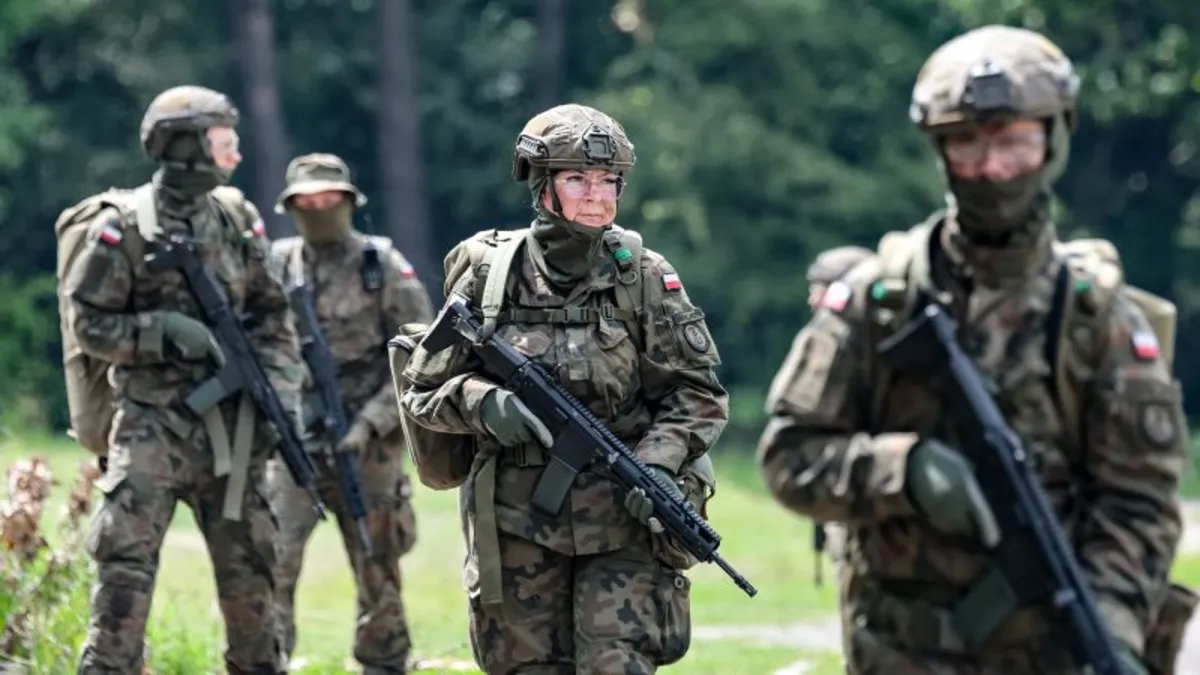
As tensions rise with Russia, defense insiders warn that Europe is unprepared for potential conflict. Experts call for urgent investment and a shift in public mindset to bolster security.
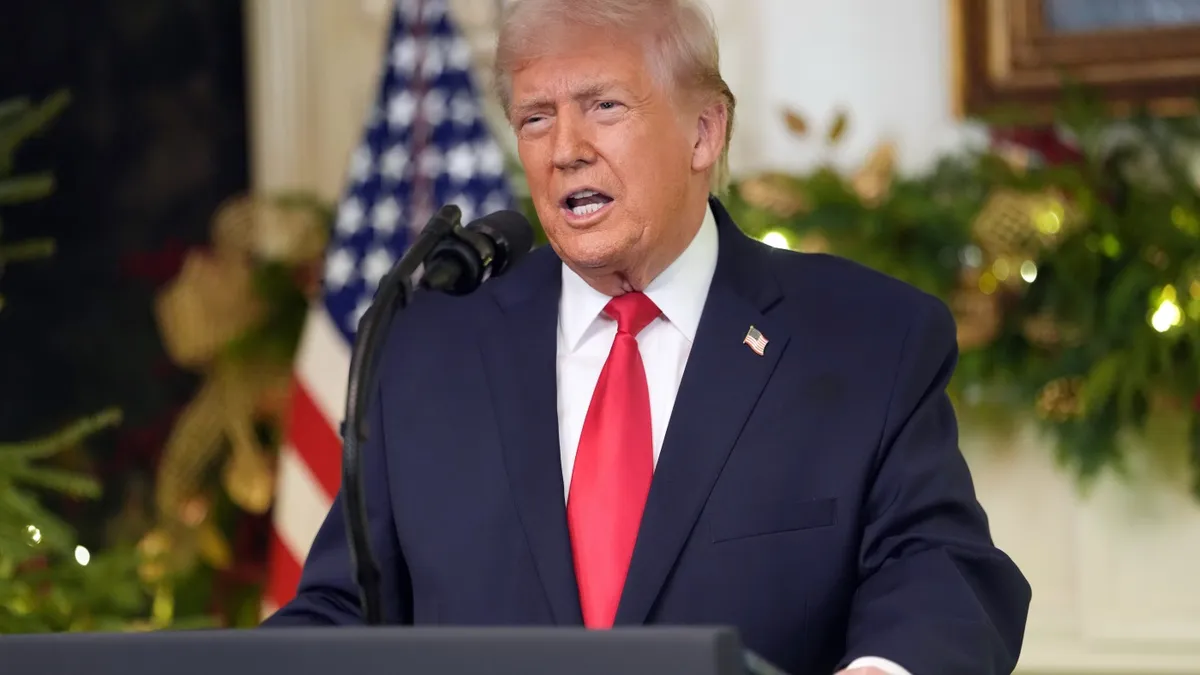
The Trump administration has unveiled a staggering $10 billion arms package to Taiwan, which includes missiles, drones, and howitzers. This move is likely to escalate tensions between the U.S. and China as Taiwan boosts its defense budget and capabilities.
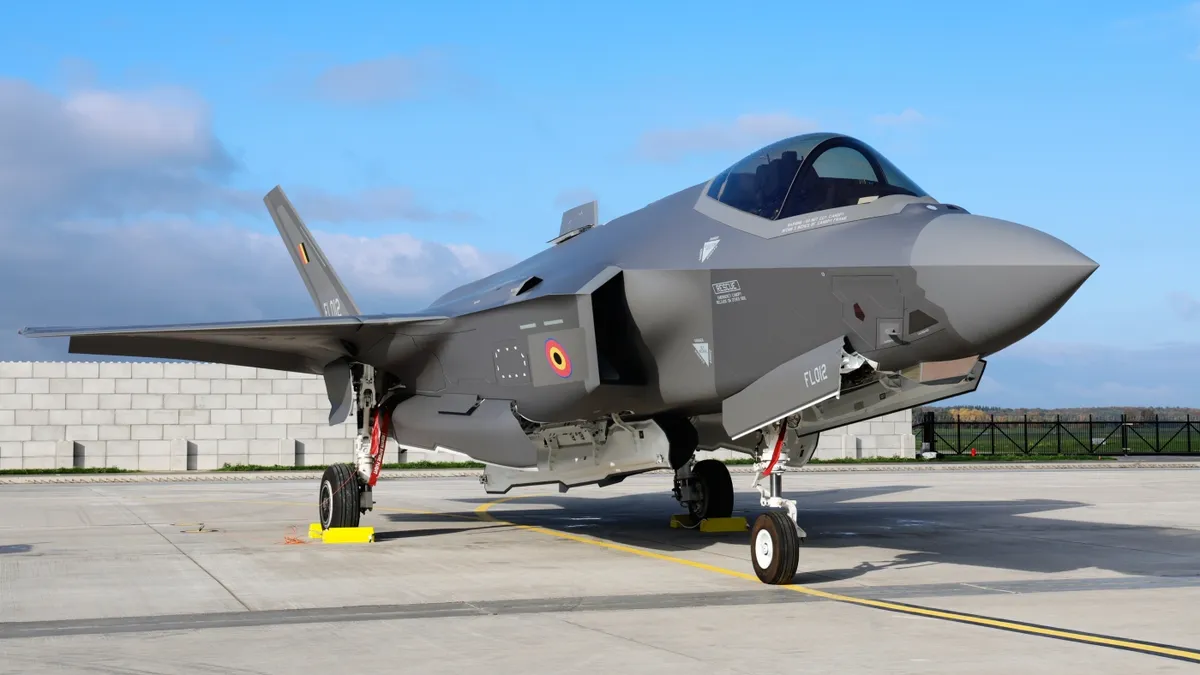
President Trump has agreed to sell advanced F-35 fighter jets to Saudi Arabia, igniting concerns over national security and Israel's military edge. What does this mean for U.S.-China relations and global security?
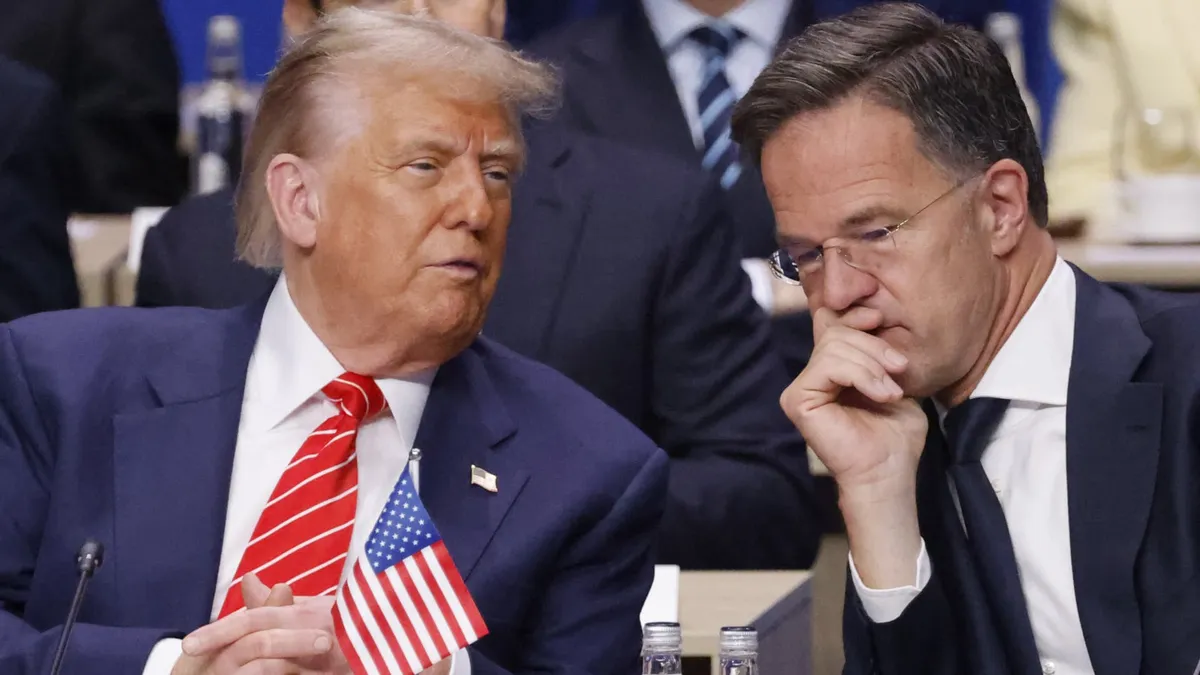
At the recent NATO summit, the spotlight was stolen not just by a historic defense spending hike, but by the flattery exchanged between President Trump and NATO Secretary General Rutte. Their 'bromance' raised eyebrows as Rutte praised Trump for his influence on allies and decisive actions in global conflicts.
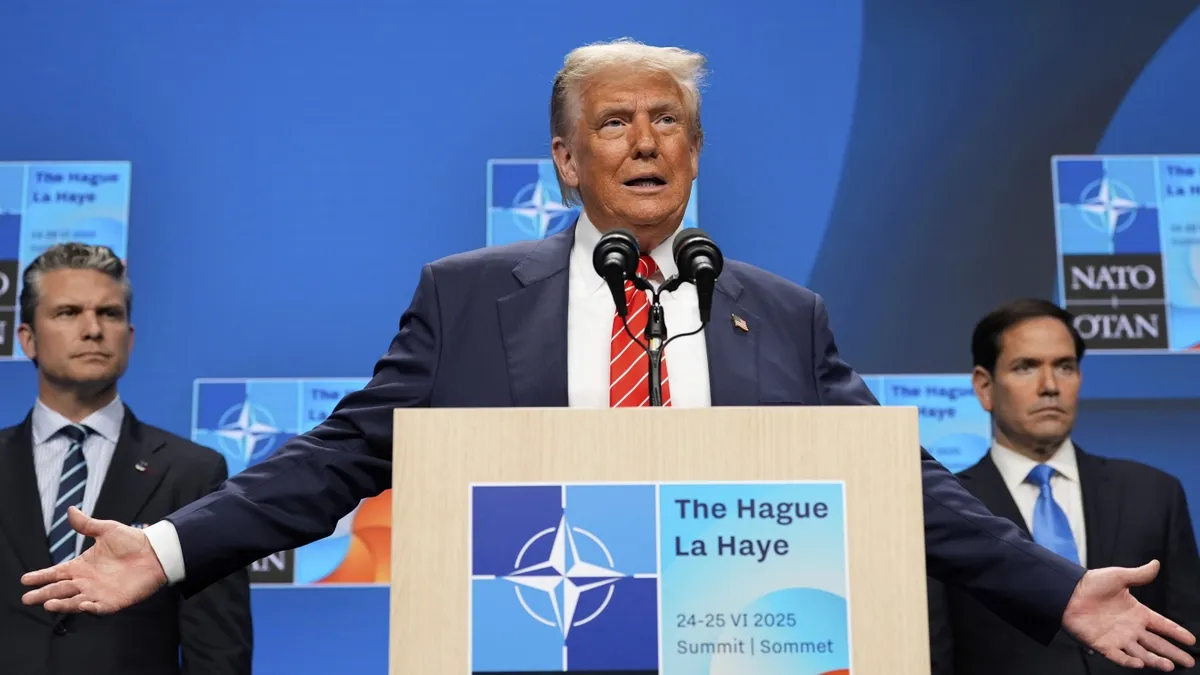
NATO's summit in the Netherlands has been labeled 'transformational' as leaders agree to raise defense spending to Cold War levels. Discover the implications for Europe and global security.

As NATO sets a bold 5% defense spending target, doubts loom over its feasibility. With only 70% of member states on track for the previous 2% goal, can nations like Spain and Iceland step up their contributions without backlash?
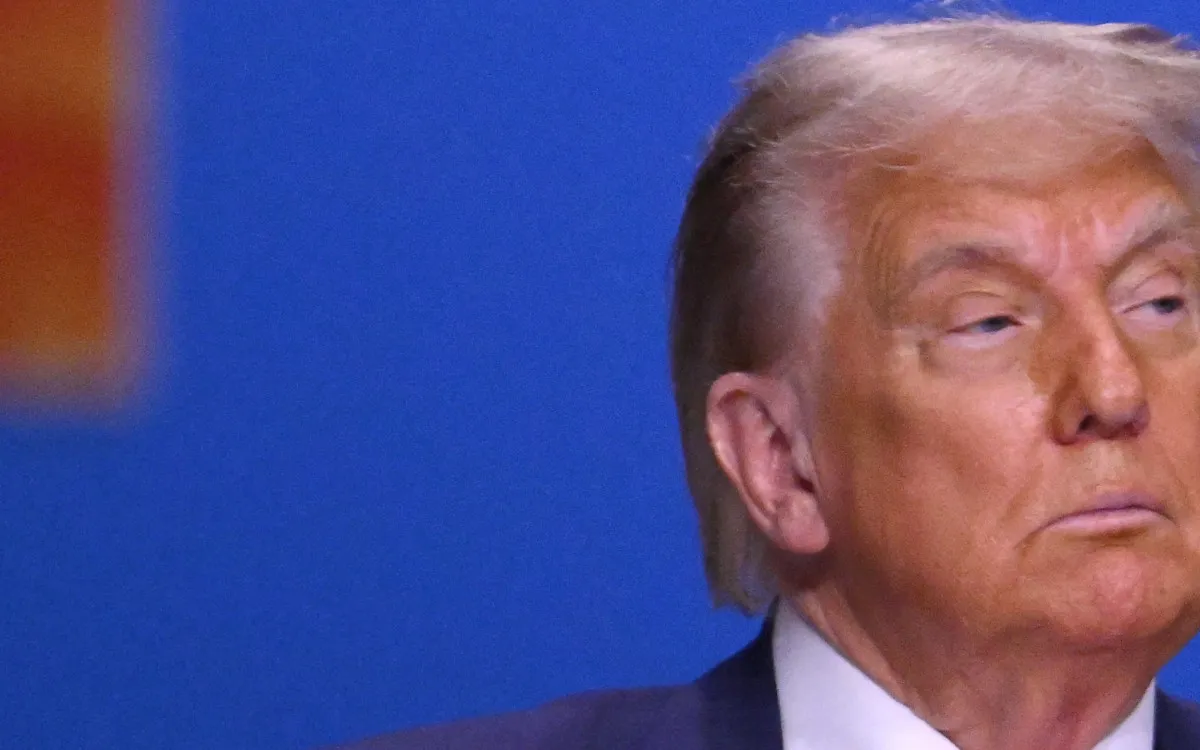
At the NATO summit, Trump declared the Israel-Iran war likely over, attributing the ceasefire to U.S. airstrikes. Meanwhile, economic optimism among business leaders has plummeted amidst ongoing geopolitical tensions.
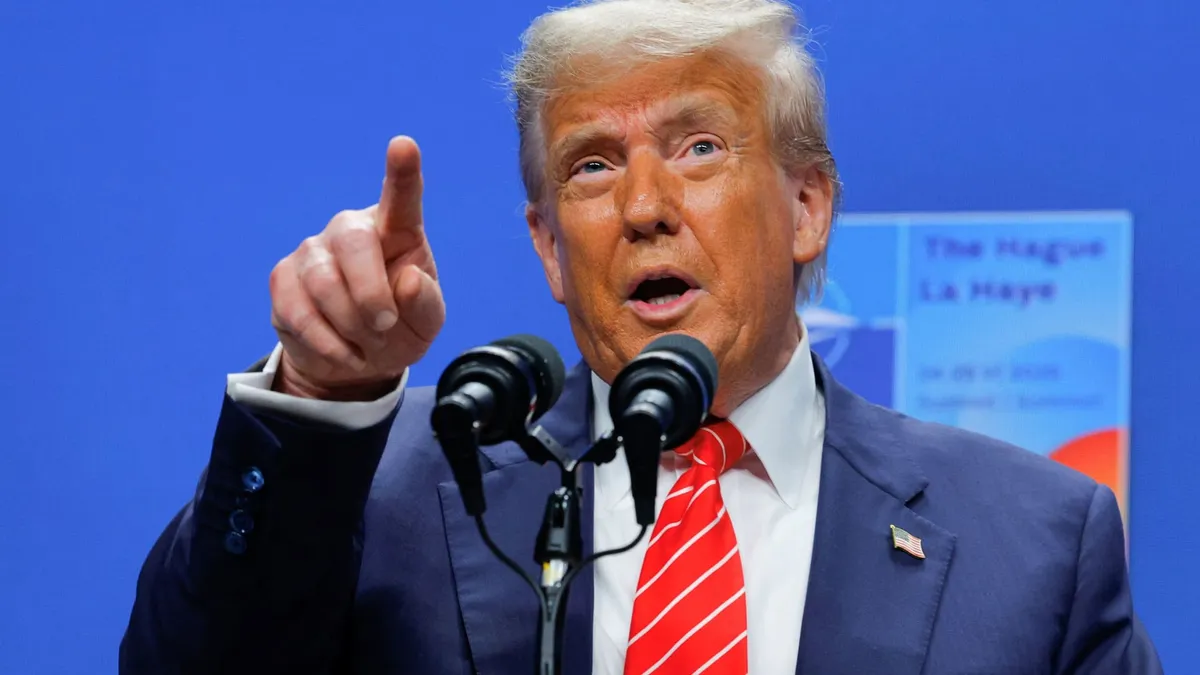
U.S. President Trump threatens Spain with a tougher trade deal due to its refusal to meet NATO's 5% defense spending target by 2035. At the NATO summit, he emphasized the need for fair contributions and warned of economic repercussions.
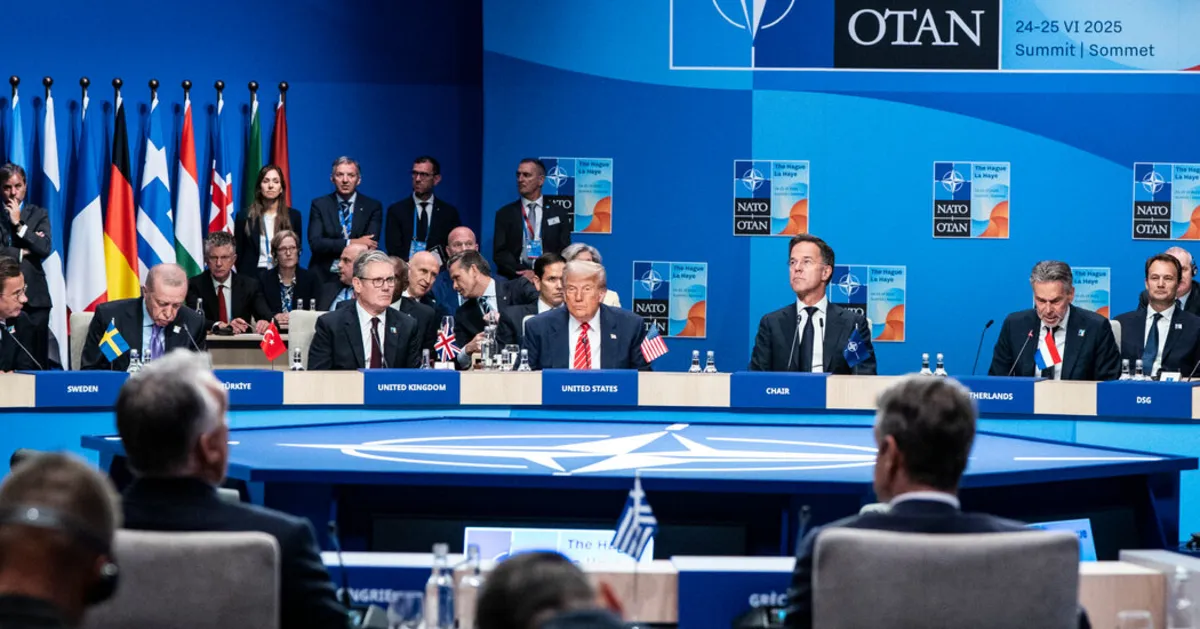
In a dramatic NATO summit, Trump faces scrutiny over military actions in Iran and defense spending commitments. Tensions rise as allies question U.S. support and future of NATO.
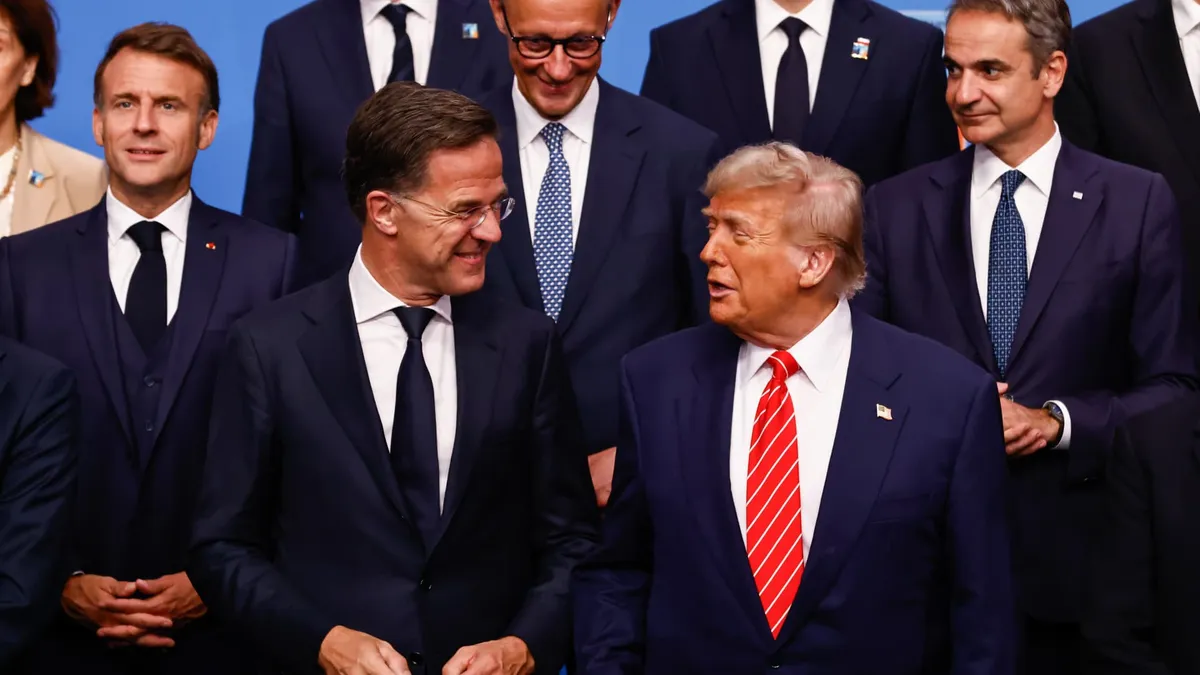
In a historic move, NATO has agreed to increase defense spending from 2% to 5% of GDP by 2035, signaling a united front against security threats like Russia and terrorism.